


An old interview clip of Peter Obi has resurfaced online, reigniting debates about wealth, transparency, and leadership in Nigeria as political conversations slowly tilt toward the 2027 elections.
In the clip, the former presidential candidate states clearly:
This statement has triggered mixed reactions — but it’s not new information.
How Peter Obi Made His Money:
Long before entering frontline politics, Obi built his wealth in the 1980s and 1990s through commodity trading, particularly cocoa and other export goods.
He later expanded into banking, holding stakes in financial institutions — a path common among Nigerian businessmen of his era.
Supporters argue this background explains his private-sector mindset and emphasis on prudence.
His Time in Public Office :
As governor of Anambra State (2006–2014), Obi gained a reputation for frugality and fiscal discipline.
His administration was known for:
The Critics’ Argument :
Critics question the contrast between Obi’s modest public image and his millionaire status.
They also often reference a past role linked to port operations during the era of Sani Abacha, suggesting possible benefits from the system at the time.
Obi has consistently denied profiting personally from that role, stating he neither looted public funds nor enriched himself through government connections.
Net Worth & Transparency Debate :
Obi’s estimated net worth is often placed around $10 million, though figures vary and are not officially audited.
To supporters, this is modest compared to many Nigerian political elites.
To critics, it still raises questions about image branding versus reality.
Why This Clip Matters Now :
The resurfaced clip highlights a deeper national divide:
Should leaders be wealthy — or does wealth itself signal corruption?
Is frugality about personal net worth, or about how public funds are managed?
Do Nigerians want a rich but transparent leader, or a poor-looking one?
As Obi remains a major figure within the Labour Party, these conversations are unlikely to fade.
Bottom Line :
Peter Obi never claimed to be poor — and he never hid being a millionaire.
The real debate isn’t whether he has money, but how it was made, how power was used, and what Nigerians truly expect from leadership.
The clip didn’t reveal something new — it simply reminded Nigerians of the choices and contradictions they continue to debate.
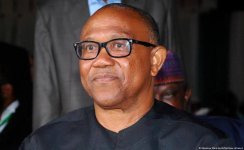
In the clip, the former presidential candidate states clearly:
“I’ve never claimed to be a poor man, I’m a comfortable man. If you have $1M you’re a millionaire, and yes I have that. I’m a millionaire anywhere in the world.”
This statement has triggered mixed reactions — but it’s not new information.
How Peter Obi Made His Money:
Long before entering frontline politics, Obi built his wealth in the 1980s and 1990s through commodity trading, particularly cocoa and other export goods.
He later expanded into banking, holding stakes in financial institutions — a path common among Nigerian businessmen of his era.
Supporters argue this background explains his private-sector mindset and emphasis on prudence.
His Time in Public Office :
As governor of Anambra State (2006–2014), Obi gained a reputation for frugality and fiscal discipline.
His administration was known for:
- Leaving significant savings and investments
- Avoiding excessive borrowing
- Publishing clearer financial records compared to predecessors
The Critics’ Argument :
Critics question the contrast between Obi’s modest public image and his millionaire status.
They also often reference a past role linked to port operations during the era of Sani Abacha, suggesting possible benefits from the system at the time.
Obi has consistently denied profiting personally from that role, stating he neither looted public funds nor enriched himself through government connections.
Net Worth & Transparency Debate :
Obi’s estimated net worth is often placed around $10 million, though figures vary and are not officially audited.
To supporters, this is modest compared to many Nigerian political elites.
To critics, it still raises questions about image branding versus reality.
Why This Clip Matters Now :
The resurfaced clip highlights a deeper national divide:
Should leaders be wealthy — or does wealth itself signal corruption?
Is frugality about personal net worth, or about how public funds are managed?
Do Nigerians want a rich but transparent leader, or a poor-looking one?
As Obi remains a major figure within the Labour Party, these conversations are unlikely to fade.
Bottom Line :
Peter Obi never claimed to be poor — and he never hid being a millionaire.
The real debate isn’t whether he has money, but how it was made, how power was used, and what Nigerians truly expect from leadership.
The clip didn’t reveal something new — it simply reminded Nigerians of the choices and contradictions they continue to debate.
